
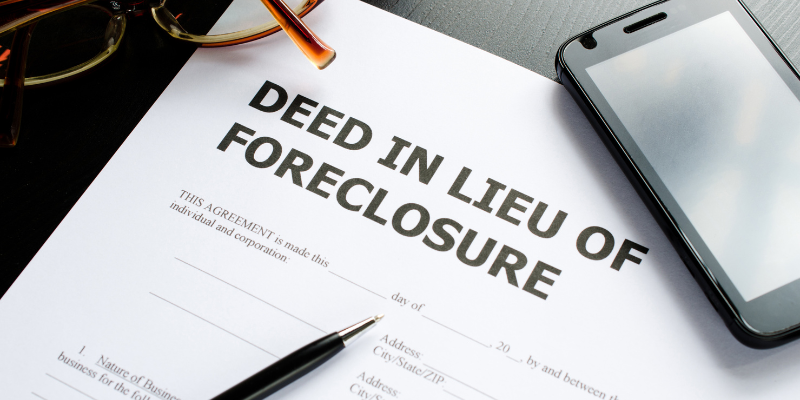
After a deed in place of failure in Dallas, TX, it might be tough to get a mortgage. To have sufficient funds in the future, it is essential to understand the key differences between a sale and a deed-in-lieu of foreclosure. This guide is designed to provide Dallas residents with useful information that will help them better understand these concepts and make informed decisions. If you know the right steps, you can obtain a mortgage again, whether you want to deed in lieu of default or explore mortgage options after foreclosure. Read our tips on how to buy or sell a home in Dallas.
Key Highlights
- A deed in lieu is when you freely give up ownership of your home so that the foreclosure doesn’t hurt your credit.
- By negotiating mortgage balance waivers, a deed in lieu can stop deficiency verdicts.
- Texas prefers non-judicial eviction because it speeds up the process and limits the options available to homeowners.
- Deficiency decisions can make it hard for people to get loans in the future after their home has been foreclosed on.
- To navigate post-foreclosure sales in Dallas successfully, you need to plan ahead and thoroughly understand the market.
Understanding Deed in Lieu of Foreclosure
Obtaining a mortgage after a deed in lieu of foreclosure in Dallas, TX, can be challenging to navigate. This is when a borrower signs a formal document transferring the title to their home to the mortgage holder. This keeps the loan from going into foreclosure. Residents and lenders should both know what a deed in lieu is and how it works. Instead of the default, it’s a good choice that could be useful. Read on to learn more about this choice and its benefits, which will help both buyers and lenders make informed decisions about whether to keep the property or pass it on to someone else.
What is a Deed in Lieu?

There are several effective ways to avoid foreclosure that benefit both the borrower and the lender. A deed in lieu of failure is among them. Through this agreement, the borrower gives the lender the right to own their house. Instead of going through the usual foreclosure process, this approach might help homes avoid the negative reputation that comes with it and may also be a more effective way for them to pay off their mortgage debt. The formal transfer of property title is carefully documented to ensure that everyone agrees and is aware. This protects both the lender’s and the borrower’s rights. It’s better because the settlement process is more straightforward, and bills and other legal issues can be addressed promptly. Having the right paperwork makes the move easier. This is a crucial step for individuals seeking to regain control of their finances and ensure everything is in order. By giving a deed in lieu, you can avoid many of the legal issues that usually come up when you don’t pay your debts.
It is important to have the trust deed, the warranty deed, and the deeds that say the borrower is no longer responsible for the debt (as long as there is no deficiency). Lenders win because they regain control of the property quickly and avoid lengthy foreclosure processes or potential legal battles over liens. It is essential to note that borrowers may experience fewer adverse effects on their credit reports if they opt for a deed over foreclosure. The next time you want to get a mortgage, this might help them sell your Dallas, TX, house faster or obtain one more quickly; however, Texas law requires them to consider any outstanding debt you still have. To complete this task efficiently, you must be familiar with each document, understand the transfer process, and comprehend how the changes will impact the property’s title and state of liens. People often say that you should hire a lawyer to make sure that this deal is done quickly and properly, and that you don’t forget any duties that come with being a homeowner in Texas.
Advantages of Choosing a Deed in Lieu
People in Texas cannot default on their loans; instead, they can opt for a deed in lieu of foreclosure, which is often a more favorable alternative. It might even help them pay off their home, maintain a high credit score, and recover financially more quickly. Lenders also benefit from this method because it speeds up the transfer of property, eliminating the need for a lengthy court case. It also allows people to choose their own temporary housing and decide when they want to leave. In Texas, understanding the rules is crucial because they govern significant laws and rights. If you get professional help, the process goes more quickly, and errors are less likely to occur.
The Foreclosure Process in Texas
In Texas, foreclosure is a formal legal process for resolving mortgage debt that hasn’t been paid on time. The state’s foreclosure rules grant lenders the right to reclaim property through court or non-court proceedings. This provides lenders with a means to obtain the title of a mortgaged property when a borrower fails to make payments. Texas law is unique because it typically supports non-judicial foreclosure, which speeds up and reduces the cost of the process. To fully understand the range of foreclosure choices, however, one must be aware of the legal duties and possible alternatives that exist for both lenders and homeowners. This knowledge can help you avoid legal trouble and financial difficulties.
Texas Foreclosure Laws
Texas has unique foreclosure rules because it prefers a process that doesn’t involve the courts. This is typically accomplished through a deed of trust, which grants the seller the authority to sell the property. The mortgage holder, typically a bank, can collect without the court’s assistance if the borrower fails to repay the loan. In Texas, the deed of trust is a crucial document that grants the lender a lien on the land, while the borrower retains the title. When a renter can’t pay their mortgage, this lien can be used to enforce the loan debt. Under Texas law, the property can be sold to pay off the loan. To comply with the Texas property code, the lender or mortgage holder must first send a notice of default and then a notice of sale. This protects the borrower’s rights and follows the law. In Texas, it typically takes only a few months from the notice of failure to the foreclosure sale, which is a relatively short timeframe. There are clear legal rules that govern this expedited process, designed to protect both the lender and the borrower. Home Buying Hounds can help you understand this process, making it easier to navigate foreclosure sales safely and confidently.
It is essential for homeowners to act promptly when they receive these warnings to prevent their home from being taken or to explore alternative options. One important thing to know about Texas foreclosure law is that there is no statutory right of redemption. This means that once the foreclosure sale occurs, borrowers lose their right to reclaim the property, even if they are able to repay the loan in full. This could be seen as a legal disadvantage for Texas homeowners, but it highlights the importance of understanding your rights and responsibilities under mortgage and lien agreements. Legal help is often recommended to navigate these complex issues and ensure that state rules are followed, which may lead to ways to avoid foreclosure altogether.
Alternatives to Foreclosure in Texas
For many Texas homeowners facing foreclosure, exploring alternative options can help them avoid the negative consequences that can occur during the process. With a settlement in lieu of foreclosure, the borrower transfers title to the home to the lender without undergoing foreclosure proceedings. This makes things easier, skips the long eviction process that Texas’s strict property laws require, and keeps the homeowner’s credit score high. You can also have your loan modified. The terms of the mortgage are adjusted to make payments more manageable. This is ideal for individuals experiencing short-term financial difficulties who still wish to remain in their home. Texas lenders may agree to lower interest rates, longer payment terms, or forgive some of the loan’s capital in order to keep the loan going. A short sale is another choice. This lets the buyer sell the house for less than what’s owed and accept the difference as payment. This method, although it may be difficult to understand, helps borrowers maintain their credit score from dropping due to foreclosure while still allowing lenders to recover some of the loan amount. Individuals who are in debt should consult with a reputable real estate lawyer or financial advisor who is familiar with the foreclosure rules in Texas. Borrowers can better understand the rules and choose the best option for their needs by seeking help from a professional.
Deficiency Judgments Explained
When it comes to real estate and mortgages, deficiency findings are crucial to understand, especially for individuals who have had a deed in lieu of foreclosure. People in Texas who have lost their homes to foreclosure can be severely impacted by a deficiency ruling, which may require them to pay the remaining balance of their debt. This section delves deeper into how deficiency decisions can impact homes in Dallas, TX. It shows what they can do to the homeowner’s legal rights and how it could affect their money. Both renters and lenders need to be aware of these issues in order to make informed decisions about foreclosure.
How Deficiency Judgments Affect Homeowners
The owner of a foreclosed home must pay the difference if the sale doesn’t generate enough money to cover all the debt. This is known as a deficiency finding. However, lenders in Texas can take legal action over this difference. If they attempt to secure loans again, it may be more challenging for them and potentially more expensive. They may also struggle to obtain credit after this. When lenders do this, they can take the renter’s property or pay, which makes things even worse for them. In Texas, lenders have a set amount of time, usually two years, to ask for a decision on a non-payment. To pay for lawyers, the amount due may increase. Once people understand how the claim works, they can prepare for it, discuss it, or contest it. People who owe money may be able to make a smaller payment or have the lender cover the difference. However, they need to speak with the lender first. You should consult a lawyer. In Texas, there is a lawyer who can help you figure out what to do and whether the claim is true. If people who own their own homes stay informed and seek professional help, they can better manage their choices and work to mitigate the long-term financial effects they have.
Contact us to learn more about your options and get the guidance you need.
The Impact of Foreclosure on Property Sales in Dallas, TX
In places like Dallas, Texas, the market is constantly evolving. It’s tough to find a house to buy when many have already been bought. Most people who own land or want to buy it after it has been sold often encounter legal and financial difficulties. Once a loan is past due, a house is worth less. You need to know how to effectively sell it and understand how potential buyers perceive it. If you know this, do the right thing and get your houses ready to sell faster. We will discuss how to sell a bank-owned home and how to make the process easier after the deal is complete.
Preparing Your Property for Sale Post-Foreclosure

Get ready early if you want to attract the most buyers to your bank-owned home at the best price. When someone wants to buy or sell a house, they should note its positive aspects and address any issues that arise during the sale. There are several ways to fix up a house that the bank owns. Tweak things, make minor adjustments, and examine the structure to make it easier to sell. Before the deal is finalized, address any outstanding debts or legal issues. Additionally, ensure that you comply with all applicable Texas regulations. Consider hiring a professional to inspect the house as well. Communicate regularly with the lender and settle any outstanding bills from the sale. This can help things go smoothly and give people peace of mind if they wish to make a purchase.
It’s just as important to set a fair price that aligns with the market and accurately reflects its current value. To make money, you need to sell a house at a foreclosure sale. To buy the house, you need people who know how much foreclosures cost. A real estate agent in Texas can help individuals who want to sell their home quickly determine the optimal listing price. If you do lots of nice things, more people will want to look at your house. These people should look for deals. Let people know that the house has been in debt before and that it’s ready for a new owner. This builds trust and speeds up the shopping process. A good sale can help people who have lost money recover it if they plan, communicate, and set the right price.
Navigating the Real Estate Market After Foreclosure
Avoid doing those things again when buying or selling a house in Dallas, Texas. Remember these things. Texas has a thriving real estate market with numerous great deals available. But be careful, as the city has a history of foreclosures. To save money, people who want to buy things need to change their shopping habits. People who want to buy the house might be worried about legal issues or problems that haven’t been discovered yet. That’s why you should start the story with something interesting. When you show off the updates, changes, and legal checks that have been made, it can help people trust you again. A comprehensive market study conducted by a Dallas real estate agent with experience working with foreclosed homes can also help you determine the optimal price and sell your home for cash in Fort Worth, Texas, and other nearby areas more effectively. If buyers and sellers understand how foreclosures impact a home’s value and which areas of Dallas offer better deals, they can set more realistic goals.
Money is also very important. Lenders may be hesitant to work with individuals who have already lost their homes, as they are aware of the associated risks. People who want to buy a house may need to be pre-approved for a loan, have alternative loan options, make a larger down payment, or devise creative ways to finance it, such as loan assumptions or lease-to-own deals. People who want to sell their home in Texas should be aware of the sales rules. These rules may change how loans are given in the future. A good business plan is also important. To get more people excited, utilize platforms like video tours, open houses, and clear, concise language. Discuss the house’s condition and the benefits of living in Dallas as well. If they are familiar with the market, set fair prices, and effectively market their homes, they have a better chance of selling after a loss. When things go wrong, they know how to make things better.
Do you need to sell your home quickly? Home Buying Hounds makes it simple with fair cash offers, no repairs needed, and a smooth, hassle-free process from start to finish. Call (833) 997-7653 today for a no-obligation offer and sell your home the easy way.
FAQs:
What is a deed in lieu of foreclosure?
If someone wants to avoid foreclosure, they can give their home to the lender free and clear as an option to foreclosure. This way, the foreclosure won’t hurt their credit score. It makes the deal more favorable and can prevent the homeowner from being told they need to pay more money.
How does a deed in lieu of foreclosure benefit homeowners in Texas?
In Texas, homeowners who choose a deed in lieu can avoid the lengthy process of default, maintain their credit scores, and potentially have the remainder of their mortgage paid off, leaving them with no further debt.
What are deficiency judgments, and how do they affect homeowners in Texas?
A deficiency ruling is made when the sale price of a foreclosed home does not cover the amount still owed on the mortgage. When people in Texas fail to pay their debts, lenders can seize their homes. This could hurt their income and credit score.
How does foreclosure affect property sales in Dallas, TX?
When a house goes into foreclosure, it may be harder to sell and be worth less. People in Dallas who want to sell their homes must make repairs, address any title issues, and market them effectively if they want to attract buyers who are wary of homes that have been in foreclosure.
What alternatives to foreclosure are available for homeowners in Texas?
People in Texas who want to avoid foreclosure can explore options such as deed in lieu, loan modification, and short sales. For each choice to be the right one, the costs must be carefully considered, and legal assistance must be sought.
Helpful Dallas Blog Articles