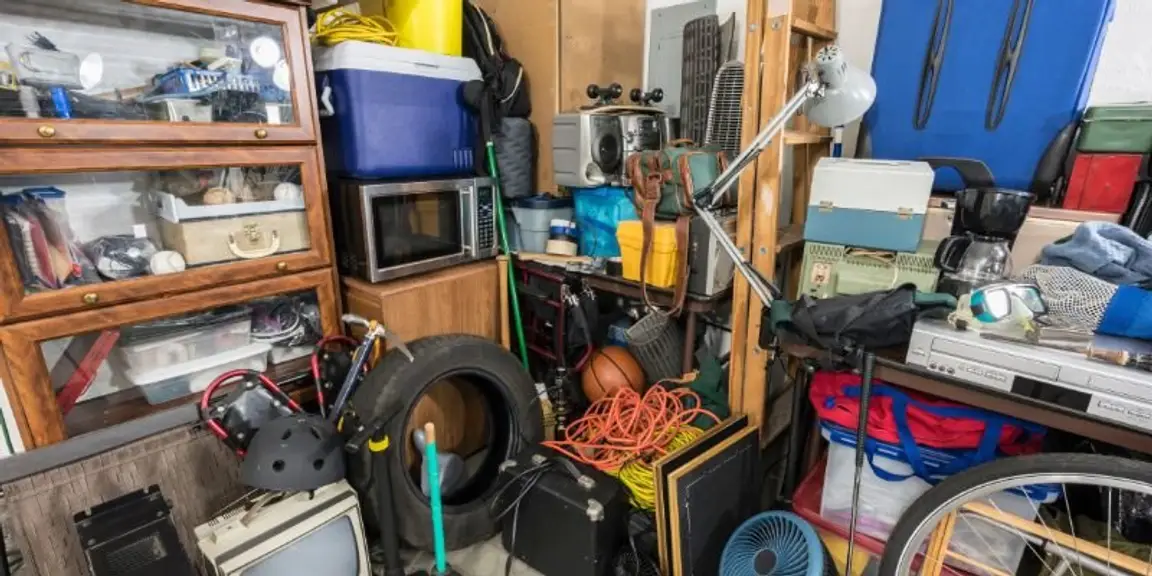

You just got Aunt Mabel’s house in Plano as an inheritance, but you can’t even open the front door all the way. The hall is blocked by stacks of newspapers from 1987. The kitchen countertops were hidden by decades’ worth of stuff. There’s something that looks like it can’t happen.
You’re not by yourself. I’ve looked at hundreds of empty homes all over Texas, from small condos in River Oaks to big country homes in Katy. In all of them, there is a person who had a hard time letting go, and now their family has to figure out what to do next.
The truth is that selling a hoarder house doesn’t have to cost a lot of money or take months of your time. There are ways to move forward that are both good for business and sensitive to how these situations make people feel. Here is what you need to know: let me show you.
How to Sell a Hoarder House in Texas: Complete Guide for Property Owners

If you want to sell a hoarded property in Texas, you have three main choices. The costs, times, and results of each course are different.
Choice 1: Clean and List the Old-Fashioned Way. To go this way, you will need to hire a cleaning service, make any repairs that are needed, and list your home with a real estate agent. Cleaning up after hoarding costs $1 to $2 per square foot, or $1,000 to $4,000 for simple cases. Charges can be anywhere from $1,000 to $50,000, though, based on how bad the crime is.
In Houston, just getting rid of trash can cost a lot. It would cost $3.50 to get rid of trash from a house with 5 dumpsters full and $7.00 for a house with 10 bins full. That’s not even counting the costs of cleaning, fixing, and keeping the house while it’s on the market.
Option 2: Sell As-Is to People Who Have Cash. People who pay cash buy homes in the shape they are in. No need to clean up. No fixes are needed. This choice gets rid of the up-front costs and mental stress of dealing with decades’ worth of stuff that has been piled up. This is what companies like Home Buying Hounds do all the time, and they can close in as little as two weeks. If you want to understand exactly how this process works from start to finish, you can see how we buy homes in more detail here:
Option 3: Do Some Cleaning and Sell Right Away. Some sellers choose a middle ground: they get rid of clear safety hazards and sell the house to investors, who take care of the rest. This method cuts down on the cost of cleaning up while still letting the house sell quickly.
The market in Texas gives you power right now. If you’re trying to move quickly and avoid repairs or delays, many homeowners choose to sell your Texas house faster through direct cash buyers instead of listing traditionally. In October, the average number of days a property was on the market in the state dropped to 61. However, it usually takes a lot longer to sell a hoarded property through traditional methods. On the other hand, the typical home price across the state grew almost nothing, 0.6% year over year, to $345,000.
Understanding Texas Real Estate Laws for Hoarding Situations and Property Sales
Certain disclosures must be made according to Texas property law, but hoarding itself isn’t always a defect that needs to be made public if there’s no building damage. But any damage caused by hoarding must be shown to people who are interested in buying.
The Texas Property Code says that known material flaws must be disclosed. You are required by law to tell buyers if hoarding has caused problems with the base, plumbing, or the structure. This is why it’s important to have skilled inspections.
Texas also has rules about “as-is” sales, which protect both buyers and sellers when homes are sold just the way they are. For hoarded homes, this makes cash sales especially appealing, since buyers know they’re taking the property as is, with all of its flaws.
For Texas estate sales, there are some extra things to think about. The time it takes to sell an inherited hoarded property may be affected by the bankruptcy process. While most counties take longer than others to handle estate cases, Harris County usually does so faster than rural counties.
Estate Planning Considerations When Inheriting Hoarded Properties in Texas
Getting an inherited, hoarded property comes with its own problems, in addition to the clear cleaning-up issues. Most of the time, Texas inheritance law lets the estate be administered by someone else, which speeds up the process a lot.
If the estate is worth less than $75,000, you may be able to get a “small estate affidavit” instead of going through legal probate. But hoarded homes often have valuable things hidden among the junk, which could make the estate worth more than expected.
Before you decide how to clean up, you might want to hire an estate sale company. When people clean out their homes, I’ve seen families find expensive antiques, jewelry, and collectibles worth tens of thousands of dollars. These results can have a big effect on how you clean up and how you try to sell your house.
During probate, property taxes keep going up. In Dallas County, for instance, houses that don’t pay their taxes will be fined and charged interest. These extra costs don’t have to add up if you sell quickly to a cash buyer.
Essential Safety Inspections Before Selling Hoarded Properties in Texas

Without a doubt, safety comes first. Before anyone goes into a hoarded home for long amounts of time, it needs to be checked out by professionals for a number of risks.
Building strength: Years of weight can put stress on floor joists and supports. There were times when the extra stuff on the second floor caused them to fall down. Before you start cleaning up, please have a structure expert look it over.
Testing the Air Quality: Mold, dust, and dead things breaking down in crowded places can make the air quality bad. The heat in Texas makes mold growth especially fast. Professional testing of the air quality finds dangers that could hurt cleanup workers and people who move in later.
Pest Infestation Assessment: Mice, ants, and other pests often get into hoarded homes. These pests can spread to nearby homes and apartments, which is against the law. A professional pest control evaluation helps figure out how much work needs to be done.
Safety with electricity and plumbing. Keeping things in one place can make it hard to get to plumbing and electricity panels. Leaks that let in water can make electrical situations unsafe. Both systems need to be looked at by a professional before they can be cleaned up.
A lot of cash buyers, like Home Buying Hounds, do these checks as part of the process of evaluating a home. This takes the stress off the sellers.
Structural Damage Assessment: What Texas Sellers Need to Know About Hoarded Homes
When people hoard, they often do damage to buildings that isn’t seen until the cleanup is done. Knowing what problems could happen helps you decide whether to fix or sell the car.
Problems with the base: Too much weight can cause the foundation to settle or crack. These problems are made worse by the clay soil in Texas, especially in the Dallas-Fort Worth metroplex. In Texas, fixing a foundation usually costs between $5,000 and $15,000. In the worst cases, it can cost $30,000 or more.
Damage to the Floor System: Extra weight puts stress on the floor joists and subflooring. Wooden structural parts can rot if they get wet from spills, leaks, or pet waste. Many times, it costs $8 to $15 per square foot to replace damaged flooring.
Damage to the roof and ceiling. When people hoard, it’s hard to get to the properties, so leaks often go unreported. When water gets into a roof, it can weaken the frame and make the ceiling dangerous. Texas weather, especially hailstorms, can make roof problems worse.
Failure of an HVAC System: Vents and returns that are blocked make the system work harder, which causes it to break down early. A lot of the time, garbage gets into ductwork, and it needs to be replaced. Most Texas houses that get a new HVAC system cost between $3,000 and $8,000.
Professional structure evaluations cost $300 to $800, but they can save you a lot of money by finding problems early on. These costs are usually included in cash buyers’ offers, so sellers don’t have to worry about them.
Environmental Hazards and Remediation Requirements for Texas Hoarded Properties
There are more environmental dangers in hoarded homes than just cleaning problems. Texas’s environmental laws say that certain things must be handled in a certain way.
Mold removal: The heat in Texas makes it easy for mold to grow. Properties that have been squatted often have serious mold problems that need to be fixed by a professional. Deep cleaning usually costs an extra $200 to $5,000 and includes killing germs and getting rid of mold or bacteria.
Lead Paint and Asbestos: Homes built before 1980 might have asbestos and lead paint in them. EPA-certified contractors are needed to move these items during the cleanup. Getting rid of asbestos costs between $5 and $20 per square foot, and getting rid of lead paint costs between $8 and $15 per square foot.
Getting rid of toxic waste: Properties that are being hoarded often have batteries, chemicals, paint, and other dangerous items that need to be thrown away in a certain way. Texas laws require approved waste management companies to handle trash in the right way.
Biohazard cleanup is needed on properties where water backs up, pet waste builds up, or things are breaking down. For biohazardous waste cleanup, the cost of work can be twice as high as for simple trash cleanup.
Professional environmental surveys find these risks early on, which helps you figure out how much it will really cost to clean up. Many sellers decide that selling their items as-is to expert buyers is a better way to make money than trying to fix them.
Professional Hoarding Cleanup Services in Texas: Costs and Considerations
There is a wide range in the cost and abilities of professional cleanup services. You can make better choices when you know what you’re paying for.
As a starting point, most jobs to clean up hoarder homes cost between $1,500 and $4,000. Some simple jobs that fall into this category are cleaning up and throwing away trash. However, fixing things or working with dangerous materials is not included.
Comprehensive Cleanup Programs: A full-service cleanup includes hauling away trash, deep cleaning, making small repairs, and coordinating the disposal of trash. Depending on how bad the damage is, these services usually cost between $3 and $8 per square foot.
Biohazard cleanup, which includes getting rid of chemicals or microbes from a sewer spill, flood, death, pet waste, or disease spread, usually costs between $1,500 and $5,000. Specialized enzyme cleaners and extra care are often needed in cases of animal keeping.
Regional Differences in Costs: Labor costs are usually higher in cities, but there are more service choices. People who live in rural Texas may have to pay to get services or wait a long time to get them. Because there are so many services in Houston and Dallas, the prices are the most affordable.
A hoarder’s house is hard to clean, and the job can take anywhere from one to five days, based on the size and condition of the house and the number of people working on it. It can take weeks for severe cases.
A lot of sellers find that the costs of fixing up their property are higher than the value rise that could happen, so it’s better for them financially to sell it as-is.
Financial Resources and Assistance Programs for Texas Hoarding Cleanup Projects
Several programs can help with the costs of cleanup, but they may not be available in all places or situations.
Some towns in Texas offer cleanup help for health and safety violations through local government programs. The Code Compliance Department in Austin sometimes offers cleanup help in the worst situations. The Code Nonprofit division in San Antonio runs classes that are similar.
Some government programs and nonprofits may give free or low-cost cleaning services. These are often offered to people who are weak, like seniors or people with disabilities.
Insurance: Most of the time, homeowners’ insurance doesn’t pay to clean up after hoarding. But if hoarding leads to covered damage, like water damage from clogged pipes, the coverage might pay for the repairs.
Estate Funds: When cleaning up properties that were left to you by someone else, estate funds can sometimes help. In some situations, the probate court has to agree to this, but if the estate has enough assets, it can be done.
Tax Effects: Cleaning up after renting out a house might be tax-deductible as a cost of upkeep. For specific advice, talk to a Texas certified public accountant who knows about real estate taxes.
As-is sales are especially appealing to many families who are having a hard time with money because they can’t get much help.
Municipal Code Violations and Permits Required for Texas Hoarder House Sales
Code violations are common in hoarded properties and can complicate sales processes.
Health and Safety Violations: Texas cities can condemn properties that pose health or safety risks. These violations must be resolved before traditional sales can proceed. Common violations include blocked exits, pest infestations, and structural hazards.
Permit Requirements Major cleanup projects may require permits, particularly for dumpster placement in public rights-of-way, structural repairs, electrical or plumbing work, and hazardous material disposal.
Timeline Implications: Code violation resolution can take months, especially if appeals are involved. Severe hoarding situations frequently require specialized permits for cleanup and renovation work. You may also face legal expenses related to addressing building code violations and ensuring compliance with local health and safety regulations.
Inspection Process: Most Texas cities require a reinspection after remediation of violations. This adds time and cost to traditional sale processes. Some buyers require clear code compliance before closing.
Pros of an “as-is” sale. When cash buyers sale with hoarded homes, they often buy them knowing that there are code violations, which they fix as part of the renovation process. This takes the duty and pressure off sellers to meet deadlines.
Determining Fair Market Value for Hoarder Properties in Texas Markets
Traditional valuation methods don’t take into account the costs of cleaning up and fixing up hoarded properties, so you need to know a lot about them to value them correctly.
Comparative Market Analysis Challenges Standard comparable sales don’t reflect the hoarded property conditions. Appraisers must estimate cleanup costs, repair expenses, and market resistance to determine realistic values.
Repair Cost Estimates: Professional contractors can give you full repair estimates, but these estimates often go up as more damage is found during the cleanup process. It’s better to be safe than sorry when making predictions.
Market Resistance Factors Even after cleanup, hoarded properties may face market resistance due to stigma or lingering odors. This can reduce final sale prices by 5-15% compared to similar properties.
As-Is Value Determination Cash buyers typically offer 60-80% of after-repair value, minus cleanup and repair costs. This might seem low, but it eliminates seller costs and risks.
Current Market Conditions: Recent market analysis shows that Texas home prices have stabilized, with the statewide median holding steady at $335,000 over the past few months. Inventory levels have increased significantly, and days on market have extended, giving purchasers more time to make informed decisions.
Professional valuation helps sellers understand their options and make informed decisions about cleanup versus as-is sales.
Cash Buyers vs Traditional Sales: Best Options for Texas Hoarder Houses
The choice between cash buyers and traditional sales depends on your specific situation, timeline, and financial position.
Cash Buyer Advantages include no cleanup costs (buyers handle everything), fast closing (typically 2-3 weeks), no repair requirements, no showing hassles, certainty of sale, and no real estate commissions.
Traditional Sale Advantages include potentially higher net proceeds, more buyer options, standard financing available, and a familiar process for most sellers.
Financial Comparison Example: Consider a 2,000 sq ft hoarded property in Arlington that is worth $280,000 after cleanup and repairs.
Traditional Sale Path: Cleanup costs: $8,000; Repairs: $15,000, Realtor commissions (6%): $16,800; Holding costs (6 months): $3,600. Net proceeds: $236,600
Cash Sale Path: Sale price: $200,000; No costs. Net proceeds: $200,000
The difference narrows considerably when you factor in time, stress, and risk of additional problems emerging during cleanup.
Market Timing Considerations As of September 2025, the housing inventory is at a 5.5-month supply, indicating a buyer’s market. This makes traditional sales more challenging, and cash offers more attractive.
Companies like Home Buying Hounds specialize in hoarded properties and can quickly provide accurate cash offers, helping you make informed comparisons.
Experienced agents understand pricing challenges for distressed homes, but many sellers in smaller Texas markets choose direct buyers instead when they want to sell your Wichita Falls house faster without cleanup delays or long listing periods.
Working with Real Estate Agents Experienced in Texas Hoarder House Sales

Not all real estate agents understand the challenges of hoarded property. Finding the right agent can make the difference between a successful sale and months of frustration.
Agent Selection Criteria: Look for agents with specific experience in hoarding-related property. They should understand cleanup timelines, contractor coordination, and buyer psychology around these properties. Ask for references from previous hoarded property sales.
Marketing Challenges: Hoarded properties require specialized marketing approaches. Professional staging becomes impossible, and photos must be carefully managed. Experienced agents know how to present these properties attractively while maintaining honesty about conditions.
Buyer Education Agents must educate potential buyers about renovation possibilities and help them visualize the property’s potential. This requires strong communication skills and renovation knowledge.
Pricing Strategies Experienced agents understand how to price hoarded properties to attract serious buyers while accounting for cleanup and repair costs. They can also advise on timing cleanup phases with marketing efforts.
Disclosure Management Agents help navigate Texas disclosure requirements, ensuring legal compliance while presenting the property in the best possible light.
Commission Considerations: Some agents charge higher commissions for hoarded properties due to additional work involved. Others maintain standard rates but provide more comprehensive services.
Finding the right agent takes time, and many sellers discover that as-is cash sales eliminate these complications.
Professional Photography and Marketing Challenges for Texas Hoarder Home Listings
Marketing hoarded properties requires creative approaches that highlight potential while honestly representing current conditions.
Photography Strategies: Professional photographers experienced with hoarded properties use specific techniques: wide-angle shots to show room layouts despite clutter; exterior photos emphasizing curb appeal and lot size; before-, during-, and after-cleanup progression photos; and drone photography for property overview shots.
Virtual Tour Considerations: Traditional virtual tours don’t work well for hoarded properties. Some agents create “potential tourists ” who resemble the current-condition photos.
Listing Description Approaches Successful listings focus on property potential rather than current conditions. Key elements include lot size and location benefits, structural soundness (when applicable), renovation possibilities, investment potential, and cash buyer targeting.
Social Media Marketing: Hoarded properties often perform better with investor-focused social media marketing than with traditional homebuyer channels. Online groups for real estate investors and wholesalers can be effective.
Timing Considerations: Some agents recommend partial cleanup before marketing to help buyers visualize potential. Others market immediately to attract investors who are comfortable with current conditions.
Professional Staging Alternatives: Traditional staging isn’t possible, but agents can use computer-generated imagery or similar property examples to help buyers visualize possibilities.
These marketing challenges often make as-is cash sales more practical, since experienced buyers don’t need extensive marketing to understand a property’s potential. If you’re dealing with an inherited or hoarded property and want a simple way forward, contact us today to get a no-obligation cash offer.
Frequently Asked Questions
Can You Sell a Hoarder House in Texas?
Yes, you can absolutely sell a hoarder house in Texas. You have several options, including cleaning and listing traditionally, selling as-is to cash buyers, or partial cleanup before the sale. Many sellers find that cash buyers offer the most practical solution, as they handle all cleanup and repairs themselves, eliminating upfront costs and timeline pressures.
How Much Does Junk Removal Cost for a Hoarder’s House in Texas?
Junk removal costs for hoarder houses in Texas typically range from $1,500 to $4,000 for basic cleanup, but can reach $50,000 for severe cases. In Houston, disposal alone costs about $700 per 40-yard dumpster load, so a house requiring 10 dumpsters would cost $7,000 just for disposal. Additional costs include labor, cleaning supplies, and potential biohazard handling, which can double the standard cleanup
How Do You Report a Hoarder in Texas?
You can report hoarding situations to your local code enforcement department or health department. In major Texas cities like Houston, Dallas, Austin, and San Antonio, call the city’s 311 service line to report health and safety violations. For immediate safety concerns, contact local emergency services. Many cities have specialized hoarding task forces that work with families to address these situations compassionately while ensuring public safety.