
A seller once told me she’d rather burn her house down than face the termite report on her kitchen table. She was half joking. Only half.
Termites scare people. The word alone pulls up images of crumbling subfloors, huge repair bills, and buyers heading for the door. The truth sits somewhere in the middle. You can sell a home with termites, and plenty of owners walk away with money in hand. Getting there means knowing what you’re up against before you price the property or list it.
Can You Sell a House with Termite Damage or History?
Here’s how sellers expect it to go. Termites turn up, the sale collapses, and everybody loses. That can happen. More often, the seller who shows up with a treatment record, a live warranty, and an honest price closes without much drama.
Drywood and subterranean termites are different animals, and sharp buyers know it. Subterranean colonies do the worst structural harm because they come up from below, chewing through subfloor joists and load-bearing members before anyone notices. Drywood termites stay in tighter clusters, which makes them easier to treat when you catch them early. A termite colony found in year one usually means minor damage. One left alone for years can hollow out beams and complicate any sale on the retail market.
I worked with a family in Fort Worth, Texas, on a Tuesday morning walkthrough. Three siblings, two of them out of state. The local one had a job transfer and five weeks to be out. Their parents’ belongings filled the garage floor to ceiling, and a structural pest inspection turned up active subterranean activity under the back addition. We bought the home as-is, built the treatment into our offer, and they were finished in under three weeks.
The National Pest Management Association estimates termites damage about 600,000 U.S. homes a year. That’s not a rare disaster. Sellers across the Southeast and the Gulf treat a termite infestation about like a roof repair. Buyers in colder markets hear the word and picture the house folding in on itself. Local attitude shapes your sale more than the disclosure form does.
Cash buyers and real estate investors price termite damage into an offer without blinking. Retail buyers using financing have less room. FHA stopped requiring a pest inspection on every loan back in 2005. When the appraiser flags evidence of insects or damage, though, the lender orders one, and an active infestation has to be treated before that loan closes. That single rule narrows your buyer pool more than anything else about the property. Termite damage doesn’t have to sink your sale, and Home Buying Hounds can help you find out what your house is worth as-is in a single phone call.
Do You Have to Disclose Termites When Selling Your House?
Skipping disclosure isn’t a calculated risk. It’s a liability that trails you long after closing, and owners who find undisclosed termite damage have sued sellers, agents, and inspectors over it.
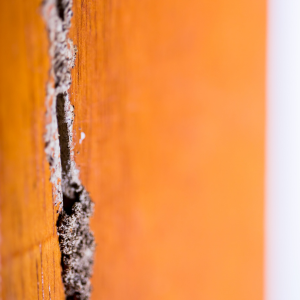
Most states require you to disclose known termite damage and infestations on a seller’s disclosure statement that asks directly about pests and structural problems. Active or historical, it goes on the form. Selling as-is doesn’t erase that duty either, because known termite damage is a latent defect, the kind nobody spots on a walkthrough.
No federal law requires a termite report before a house is sold, and state rules vary widely. Texas makes a useful example. State law here does not require a pest report on every sale. It does require most sellers to disclose known termite damage and past treatment on the Seller’s Disclosure Notice under Section 5.008 of the Texas Property Code. Check with your own state real estate commission before you assume your rules match.
Lenders often force the issue where the law doesn’t. VA loans require a wood-destroying insect report in termite-risk states, and active infestation gets treated before funding. Texas mandates its own version, the Texas Official Wood Destroying Insect Report, so the national NPMA-33 form is not used here. Conventional lenders vary, and plenty ask for nothing unless the appraiser sees something. So disclose accurately, then keep the treatment records, inspection reports, and repair receipts where you can reach them.
You still have to put it on the form, but you don’t have to fix it first, Contact Home Buying Hounds and sell the house exactly as it stands.
How Much Does Termite Damage Lower Home Value?
On a $400,000 home, a 20 percent markdown is $80,000. Nobody rounds that off.
Agents and pest industry sources put the typical discount between 10 and 25 percent against comparable homes. No single study pins the number down, so treat it as a range, not a rule. The top of it belongs to properties with serious structural damage. A light termite infestation, treated fast and documented well, lands near the bottom.
The gap isn’t only the cost to fix termite damage. Buyers price in what they can’t see. They know about the joist you replaced, not what sits behind the drywall. Fear of the unknown pushes offers below the actual repair estimate.
Market conditions matter too. Realtor.com put the median time on market at 57 days in July 2026, with one in five listings carrying a price cut. Buyers holding that many options don’t overlook problems the way they did in tighter years.
Structural damage is where the real money goes. Subfloor replacement, sister-boarding joists, and load-bearing repairs push both the repair cost and the appraisal gap into ugly territory. An appraiser who sees finished work and a clean termite report treats the home differently than one who finds mud tubes and no paperwork. Get a licensed pest control contractor out before you list and learn your real repair number.
What Will a Termite Inspector Look for Before You Sell?
Sit across from me at a kitchen table, and I’ll tell you this straight. Don’t wait for the buyer to order the termite inspection. Get your own first.
A licensed inspector writing a Wood Destroying Organism report, sometimes called a structural pest report, works room by room, looking for current or past activity. California sorts those findings into two buckets, and much of the industry borrows the same logic. Section 1 covers active infestation or existing damage, which is what lenders want cleared before funding. Section 2 covers conducive conditions like excess moisture or wood-to-soil contact. Crawl spaces are the usual culprit there.
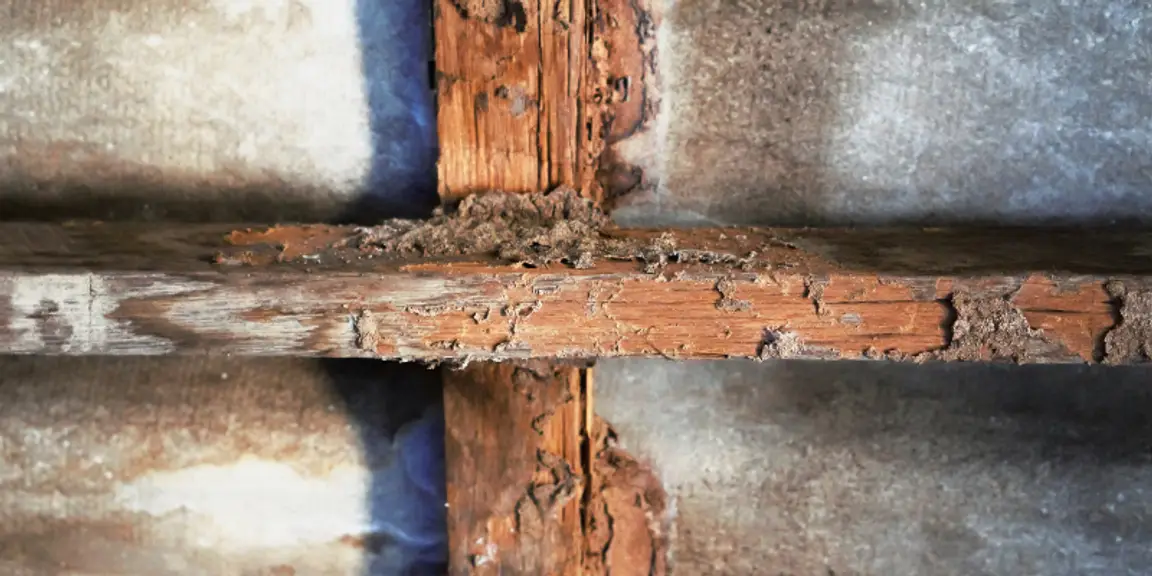
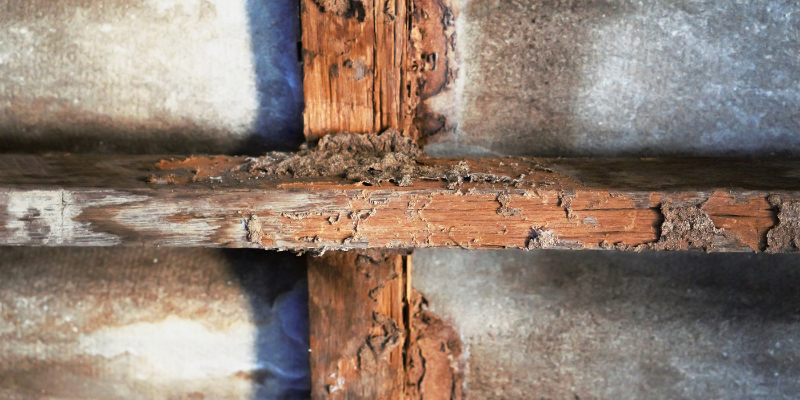
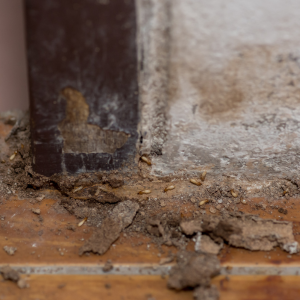
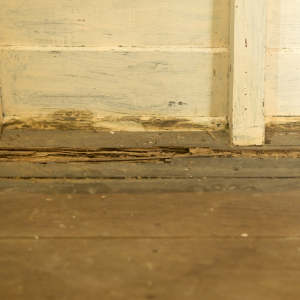
Inspectors focus on the foundation perimeter, crawlspace, subfloor framing, window and door frames, attic framing, and any wood touching soil. Mud tubes along a foundation wall point to subterranean termites. Drywood termites leave frass, the polite word for tiny pellets of feces, near the wood they’re eating. Hollow-sounding wood and blistered paint round out the surface clues.
A basic termite inspection costs $75 to $200, and plenty of companies waive the fee when you’re also getting a treatment quote. A full WDO report for a sale runs $150 to $300, because somebody is signing a document that a lender will read. Your buyer’s inspector will find the same things regardless.
Termite Treatment Options and What They Cost
“Can’t I just sell it and let the buyer handle it?” Fair question, and sometimes the answer is yes. Knowing the treatment costs first is what lets you choose between treating, pricing around it, or offering a credit.
Price depends on the species and how far the colony spreads. Subterranean termites get liquid soil barriers, or bait stations around the perimeter, and the perimeter work alone eats a full day. A liquid barrier usually runs $1,000 to $3,200. Bait systems install for $1,500 to $3,000, plus a couple of hundred dollars a year in monitoring.
Drywood termites live inside the wood instead of the soil, so whole-structure fumigation is often the only method that reaches them. Tenting a home costs $2,000 to $8,000, depending on square footage and how far the infestation went.
Here’s what sellers miss. Termite treatment is rarely the biggest line item. The average termite damage repair bill lands around $3,000, and unchecked damage climbs past $5,000 or $10,000 once floor joists and wall framing get involved. Treating early keeps the repair number small.
Fort Worth sellers face this often, since termite pressure across North Texas stays steady most of the year. In a strong market, treatment is a thin slice of the sale price, so handling it before you list is an easy call. Where prices sit lower, a concession or an as-is sale often beats fronting the money. Warranty renewals cost $100 to $500 a year, and buyers read that paperwork closely.
If fronting $8,000 for a tent job doesn’t make sense on your house, investor home buyers in Texas and other cities will take it without you spending anything first.
How Long Does Termite Treatment Take?
How soon can you close after treating?
Depends on the method. Spot treatments for minor drywood activity take a few hours, and you’re back inside the same day. Fumigation is another story. The tent goes up, the fumigant sits for a set period, then the home airs out before anyone returns. Most jobs mean vacating for two to three days, after which the company issues a clearance certificate. Hand that over at escrow, because buyers and title both want to see it.
Bait systems displace nobody. Stations go in around the perimeter. They’re slow by design, since worker termites carry the bait back to the colony over a matter of weeks. With a closing date on the calendar, bait during an active sale rarely moves fast enough. Liquid barriers finish sooner and give you documentation sooner.
Researchers at North Carolina State University estimate termites need three to eight years to cause appreciable damage. Buyers and their agents want that context, because they’re trying to guess how long the colony sat there unnoticed. Timelines rarely sink a sale on their own. What sinks sales is starting after you’re under contract, then learning the pest control company is booked out for two weeks. If the calendar is the problem, cash home buyers in Austin can work around your closing date instead of pushing it.
How to Price and Market a Home with Termite History
Price filters buyers before the condition ever does. Most sellers have that backward.
Pricing a termite-affected property right means landing in the range that buyers hunting for a project already search. It doesn’t mean listing at full retail and waiting to negotiate a concession later. A home at $290,000 with a full termite file pulls better traffic than the same home at $335,000 with “seller will negotiate” buried in the remarks.
Say it plainly in the listing description. Pest companies keep their inspection reports on file, and the Texas Department of Agriculture Structural Pest Control Service regulates every operator who writes one, so a termite history rarely stays buried. Hiding a known problem in a pest-prone state tends to backfire when somebody finds it anyway.
Marketing to cash buyers, local investors, and flippers widens the pool past retail. In DFW that pool runs deep, and we buy houses in Dallas in any condition. The National Association of Realtors put the median existing-home price at an all-time high of $440,600 in June 2026. That leaves most long-held properties enough equity to absorb a condition discount and still net a profit.
Photos shouldn’t hide the condition, and they shouldn’t lead with it either. Show the updated kitchen, the big yard, and the school district. Buyers open to a project respond to honest marketing.
Home Buying Hounds is worth a bookmark if you’re working out what a fair offer looks like on a property with termite history. We work directly with sellers, and no repairs are required.
Termite Warranties and Remediation Records Buyers Want to See
A seller I worked with had paid for two termite treatments over ten years and couldn’t produce a single receipt. The first company had folded. The second had changed names twice. We burned two weeks chasing paper that belonged in a folder.
Don’t be that seller. From the moment a pest company sets foot on your property, save everything. The inspection report, the treatment summary, the warranty certificate, and every renewal notice.
Buyers and their lenders want proof that a licensed pest control contractor did the work and that an active warranty still covers it. A current termite bond reads as a well-kept home. A warranty that transfers to the new owner is worth real money at the table, because it lifts one worry off the buyer’s list.
Your remediation file should hold the original WDO report and the treatment invoice showing the method used. Add a written warranty naming a company somebody can actually call, plus receipts for structural repairs. If your contractor closed shop, your state’s structural pest control licensing board may have archived the reports. Where FHA financing is involved, the clearance letter is the piece the loan waits on, so have it ready before the first showing.
Chasing ten years of missing termite records is its own kind of work, and a company that buys homes in Allen and nearby cities in Texas won’t ask for any of it.
How to Find a Termite Pro and Get Your Home Sale-ready
A man called me on a Wednesday afternoon. Three months behind on his mortgage, house in Arlington, Texas, auction date already set. His crawlspace had an active subterranean colony, and the listing agent he’d hired had quietly backed out. He’d spent two weeks calling pest control companies for quotes and heard nothing back.
Call at least three licensed companies, not just the one your neighbor swears by. State licensing boards keep searchable databases of active licensees. The Texas Department of Agriculture Structural Pest Control Service lets you check licenses online, and most states run a similar tool through a department of agriculture or consumer affairs office.
Ask each company three things. Do they carry errors and omissions insurance? How much pre-sale termite work have they done? Does the warranty transfer to your buyer? A warranty that dies at closing is worth less than it looks on paper.
Getting a home sale-ready runs in order. Inspection, treatment, structural repairs, and then paperwork filed somewhere you can find it. Sellers who skip straight to listing and plan to negotiate later net less.
If time and money are tight, selling to a local cash buyer is a real path, not a failure. Sometimes the math says treat and relist. Sometimes it says take a clean offer and go. Home Buying Hounds works with sellers in exactly that spot, skipping inspection contingencies and repair negotiations. A real estate agent who has handled pest-damaged homes can also point you toward companies with a track record.
Frequently Asked Questions
Should I Buy a House with Termite History?
A documented, fully treated termite history isn’t the red flag most buyers assume it is. The paperwork proves somebody found the infestation and fixed it, which is more than the house next door can prove. Order your own inspection, read the full treatment record, and confirm the warranty transfers to you at closing before you walk away from a solid property.
How Long Before Termites Cause Noticeable Damage to a House?
Researchers at North Carolina State University estimate three to eight years from the point a colony gets established. Species, colony size, moisture levels, and how much cellulose sits within reach all move that number. Subterranean termites work faster and do more harm than drywood termites in most cases. Annual inspections keep a three-year problem from turning into a ten-year structural one.
Can a House with Termites Be Saved?
Almost always, and it rarely takes a full structural overhaul. Untreated termite issues can cost a home up to 25 percent of its value once major structural repairs pile up. Homes caught and handled professionally seldom get anywhere near that. Treatment kills the active colony, repairs replace the damaged wood, and neither one requires demolishing the house.
Do Termites Devalue a Home?
They do. Reported discounts run from roughly 10 percent up to 25 percent, depending on how much structural damage a buyer can see and how well you document the repair. Treatment plus clear records recovers a good share of that ground, especially in markets where buyers have seen termites before and don’t panic at the word.
If you’ve got a home with termites and you’re weighing whether to treat it, price around it, or sell as-is, Home Buying Hounds is happy to talk through the numbers with you. No pressure and no obligation. Just a straight conversation about what fits your situation.
Helpful Blog Articles