
A buyer decides how they feel about your house in the first few minutes of a showing. Their inspector then spends an afternoon writing down every reason to ask for money back. Knowing what to fix before selling, and what to leave alone, decides which of those two visits ends up costing you. I’ve bought a lot of houses across Fort Worth with Home Buying Hounds, and the sellers who come out ahead are rarely the ones who spent the most. They spent on the right things, in the right order, and stopped.
What to Fix Before Selling a Fort Worth House
Start with what the market is doing, because it sets how picky buyers can afford to be. Zillow’s Fort Worth home value data through October 2026 put the typical home at $291,579, down 1.5% from a year earlier. Homes there were going pending in about 35 days. That’s a market where a buyer has other houses to look at and time to look at them.
In a market like that, every unrepaired item becomes leverage.
Say the buyer’s inspector finds a leaking water heater. Nobody stops at asking for the cost of a new one. Expect a request for that plus a cushion for whatever else now worries them.
So the list of things to fix before selling follows a simple order. Safety and the major systems come first, since those are what kill a buyer’s loan or scare off their insurer. Anything an inspector will write up in bold goes next. Cheap cosmetic fixes that change a first impression come third. Big remodels sit at the bottom, and most of the time they shouldn’t be on the list at all.
Get your own read before you spend a dollar. Your own pre-listing inspection costs far less than a renegotiation, and it lets you decide what to fix before selling on your schedule instead of a buyer’s.
Foundation Repairs in Fort Worth Homes Come First

Doors that stick in August and swing free in January tell you a lot. Much of Fort Worth sits on clay that swells when it’s wet and shrinks during drought, and slabs and pier-and-beam homes both move with it. The signs are familiar. Diagonal cracks run up from door corners, and gaps open where trim meets the ceiling. Windows won’t close all the way, and floors slope enough to feel in socks.
Buyers treat movement as an unknown, and unknowns get priced at the worst case. That’s why foundation work belongs at the top of what to fix before selling, or at least what to document. Have an independent structural engineer look first, someone who doesn’t sell repairs. Their report tells you if it’s normal settling or a problem that needs piers. Get that answer first.
I bought a pier-and-beam house in Riverside where the back bedroom door wouldn’t latch and the hallway floor dipped near the bathroom. The owner had a repair company’s quote but no engineer’s letter, and three buyers had walked away over the same question. An engineer’s letter and a transferable warranty would have answered it.
Keep everything if you do the work: the engineer’s report, the permit, the contractor’s warranty and the after measurements. Those papers turn a scary word into a solved problem when you hand them to a buyer’s agent.
Roof, Plumbing and Electrical Problems Inspectors Flag
Nobody falls in love with a new water heater. Plenty of buyers walk away from an old one that’s leaking into the garage, though, and that difference explains the order. The roof, plumbing, electrical and air conditioning systems decide whether a buyer can get financing and insurance. That puts them near the top of what to fix before selling, well ahead of anything cosmetic.
Hail in Fort Worth is hard on shingles. Missing tabs, soft spots or a stain on the ceiling below all call for a roofer’s opinion before you list. Sometimes a repair and a clean report are enough, and sometimes an insurance claim from an old storm is still open. Either way, you want to know before the buyer’s inspector climbs up there.
Plumbing leaks are cheap to fix and expensive to leave. One drip under the kitchen sink turns into “possible water damage” on an inspection report, and that phrase makes buyers think about mold. Fix active leaks, replace corroded supply lines and make sure every toilet stops running.
Electrical problems are the ones I’d never leave for a buyer to find. Exposed wiring, dead outlets, missing cover plates and a breaker panel an insurer won’t accept can all stall a closing. Clearing the small items usually takes a licensed electrician one visit.
Air conditioning matters more here than almost anywhere, so have the system serviced and keep the receipt before a July buyer notices a unit that can’t keep up.
Small Repairs That Pay for Themselves
A dripping bathroom faucet costs almost nothing to fix. Left alone, it tells every buyer who walks past it that nobody has been looking after the place, and they’ll start hunting for bigger things. Of everything you fix before selling, these little repairs are the best money you’ll spend, because they change how a buyer reads everything else.
Walk the house with a notepad the way a stranger would. Go slowly. Note every door that rubs, every cabinet hinge that sags and every blind with a broken slat. Add burned-out bulbs, missing smoke detectors, cracked switch plates and torn window screens. Most of that list is a weekend and a trip to the hardware store.
Paint is the other cheap fix with a big return. Scuffed hallways, a bright accent wall in a kid’s room and water stains on a ceiling all pull attention. Light neutral colors make rooms look bigger in listing photos and give buyers a blank space to picture their own things.
One mistake I see a lot is sellers skipping the small stuff because they plan to give a credit at closing. Buyers don’t think in credits while they’re touring. They think in impressions, and a house full of small problems makes them suspect large ones.
Caulk belongs on any list of cheap things to fix before selling. Fresh beads around tubs, sinks and exterior windows look clean and keep water where it belongs.
Fort Worth Curb Appeal Under the Twice-a-Week Watering Rule

What does a buyer see from the curb before your agent even unlocks the door? In Fort Worth, it’s often a yard fighting the heat. The city’s year-round outdoor watering rules limit sprinklers to two assigned days a week and ban irrigation systems between 10 a.m. and 6 p.m. Patchy grass won’t recover in a few days under those limits, so start early if you plan to list in summer.
Work with the schedule instead of against it. Fix broken sprinkler heads, water deeply on your assigned days and use a hand-held hose for the front beds, since the city allows that at any time. Fresh mulch, trimmed shrubs and a clean edge along the driveway make a tired yard look cared for.
Check the concrete next. The same soil movement that cracks foundations heaves sidewalks and driveways, and a raised slab at the front walk is a trip hazard an inspector will note. Grinding a lifted edge or replacing one bad section is a small job compared to what it signals if you leave it.
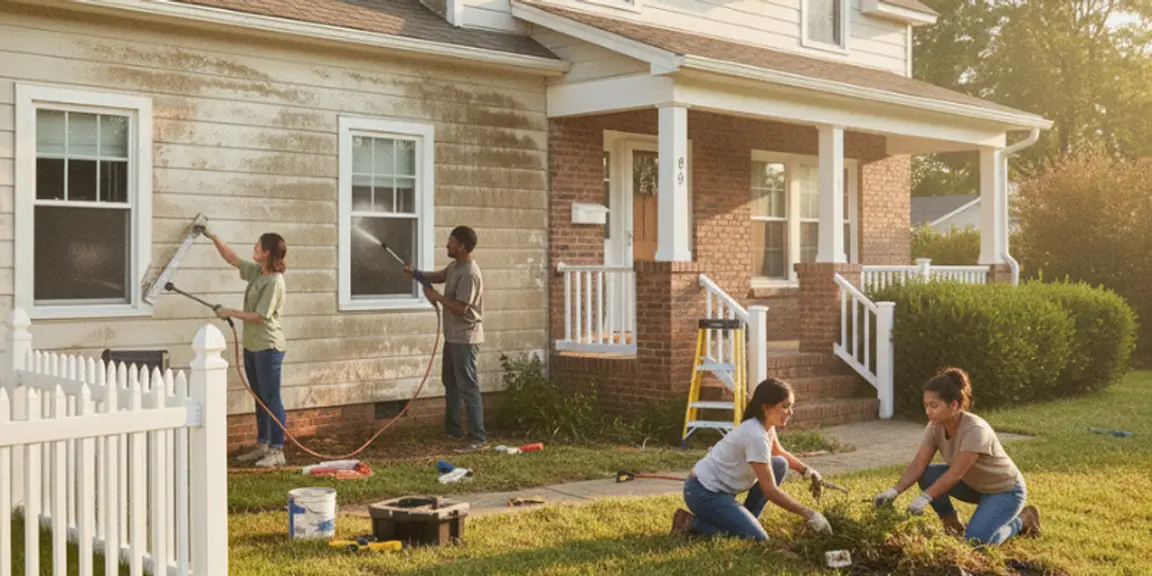
The front door is the last thing a buyer sees before they walk in. Paint it, tighten the handle, replace a cloudy porch light and put up house numbers you can read from the street. Power washing the siding and porch finishes the job for the price of a rental machine.
Curb work is the most visible thing you’ll fix before selling, and it shows up online first, where a brown yard in the lead photo costs you clicks before anyone drives by.
Kitchen and Bathroom Fixes Without a Remodel
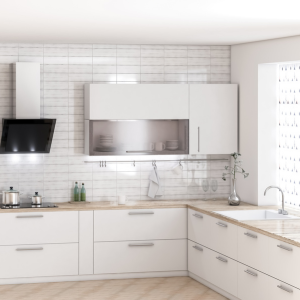
Don’t gut a kitchen right before you sell. A full remodel takes months, runs into surprises behind the walls, and the buyer may not even like your choices. In a kitchen, what’s worth the money to fix before selling is much smaller. Make the room you have look clean, working and current.
Think small and targeted. Painted cabinets with new pulls look like a different room. New faucets and a working disposal cost little. Swapping a dated ceiling fixture for bright, simple lighting makes counters and floors look better in photos. Replace a broken appliance with a basic model in a matching finish rather than leaving a gap for the buyer to price.
Bathrooms follow the same rule. Regrout or recaulk the tub, replace a cracked toilet seat, and fix any fan that rattles or doesn’t vent. New mirrors, towel bars and a shower head finish the look for very little money.
Soft spots in a bathroom floor are a different story. They usually mean a slow leak has been rotting the subfloor, and that belongs in the systems category above. Fix the leak and the floor before you think about finishes.
Deep cleaning counts as a repair in these rooms. Fort Worth buyers open cabinets, look under sinks and check grout lines, and a spotless bathroom reads as a well-kept house.
Repairs Fort Worth Sellers Can Skip and Disclose
Not everything on the inspector’s list deserves your money. Dated tile, a laminate countertop, popcorn ceilings and carpet in an odd color are all things a buyer can see and price for themselves. Treating them as things to fix before selling mostly means paying for someone else’s taste. Would you pay to install carpet you’d rip out the week you moved in?
What you can’t skip is honesty. Texas requires most sellers of a single-family home to give buyers a written disclosure notice of known defects, under Texas Property Code Section 5.008. An old roof leak, past foundation work or a drainage problem you know about goes on that form either way.
Disclosure and repair work together. Something you’ve fixed and documented looks very different on that form than a problem you’ve left alone. A problem you’ve disclosed and priced in can still sell cleanly, because the buyer knew going in.
Price does the rest. Zillow’s figures had Fort Worth homes closing at about 98.9% of list price in that same October 2026 data. An honest list price that already reflects the roof’s age or the dated kitchen leaves less room for a buyer to come back after inspection.
Ask your agent which items Fort Worth buyers in your price range object to, and keep the rest off your list of things to fix before selling.
When Selling As-Is in Fort Worth Makes More Sense
Some repair lists are longer than the time or money a seller has. An inherited house with a failing roof is one example. A rental the last tenant left in rough shape is another, and so is a home with foundation movement and an old electrical panel. Any of them can cost more to repair than the work is worth to you. That’s when it’s fair to ask whether you should fix anything at all.
One seller in Wedgwood called me on a Tuesday after spending most of her savings on new kitchen cabinets. The roof was still leaking into the hall closet, and the first buyer’s inspection had sent everything back to square one. We bought the house as it stood, and she kept what she had left instead of chasing more repairs.
Selling as-is to a cash buyer means no repairs, no showings and no inspection renegotiation. You’ll usually get less than a fully repaired house would bring on the open market, so run the numbers both ways. Add up repair costs, months of mortgage and utilities while the work gets done, and agent commissions, then compare that to a cash offer.
At Home Buying Hounds, we buy houses in Texas in any condition, and we’ll tell you plainly when fixing and listing would net you more. When speed matters most, you can sell your house fast in Fort Worth without lifting a hammer.
Either way, you’ll know what to fix before selling and what to let go.
Questions About What to Fix Before Selling in Fort Worth
Should I get my own inspection before I list?
Yes, in most cases. Your own inspection shows you what a buyer’s inspector will find, so you can decide what to fix before selling and get fair quotes without a deadline. It also keeps surprises out of the negotiation.
Do I have to fix everything a buyer’s inspector finds?
No. Repairs after an inspection are a negotiation, and you can agree to fix items, offer a credit, lower the price or decline. Lenders may insist on certain safety items, so ask your agent which requests are firm before you answer.
Is it worth replacing an old roof before selling?
It depends on whether the roof is failing or just getting older. Leaks, or an insurer refusing coverage, can make a repair or replacement worth it to save the sale. For a roof that’s aging but sound, disclosing its age and pricing for it usually makes more sense.
Can I sell a Fort Worth house with foundation problems?
Yes. You can repair it and hand buyers the engineer’s report and warranty, or you can disclose the problem and price the house to reflect it. Cash buyers will also take a house with foundation movement as it stands.
Is a repair credit better than doing the repairs myself?
A credit can work for items a buyer wants to choose themselves, like flooring. For leaks, wiring and anything that affects financing, doing the repair before you list usually keeps the sale on track and the price higher.
Give Home Buying Hounds a call at (833) 997-7653 or reach out here if your repair list is longer than your budget or your patience. We’ll look at the house with you, talk through what’s worth fixing, and make a no-obligation cash offer if selling as-is fits better.
Helpful Fort Worth Blog Articles
- • Do I Need A Lawyer To Sell My House In Fort Worth, TX?
- • Expert Tips For Selling A Fort Worth Home With Code Violations
- • Understanding The Costs Of Selling Your Home In Fort Worth, TX
- • Evicting Tenants When Selling Your House In Fort Worth
- • Process To Claim Abandoned Real Estate In Fort Worth, Texas
- • Cost of Asbestos Removal in Fort Worth, TX
- • How Long After an Appraisal Can You Close in Fort Worth, TX?
- • Sell House with Water Damage and Flood Damage in Fort Worth, TX
- • How Much Does Home Staging Cost in Fort Worth, TX
- • Taxes When Selling an Inherited House in Fort Worth, TX
- • What To Fix Before Selling A House in Fort Worth, TX